Identity and personal crisis
Moments of change, decision-making, vital blocks or stages in which the person needs to reorganize who he is and where he wants to go.
Health clinical psychologist · Family systemic therapist · Psychologist of sport · Coach
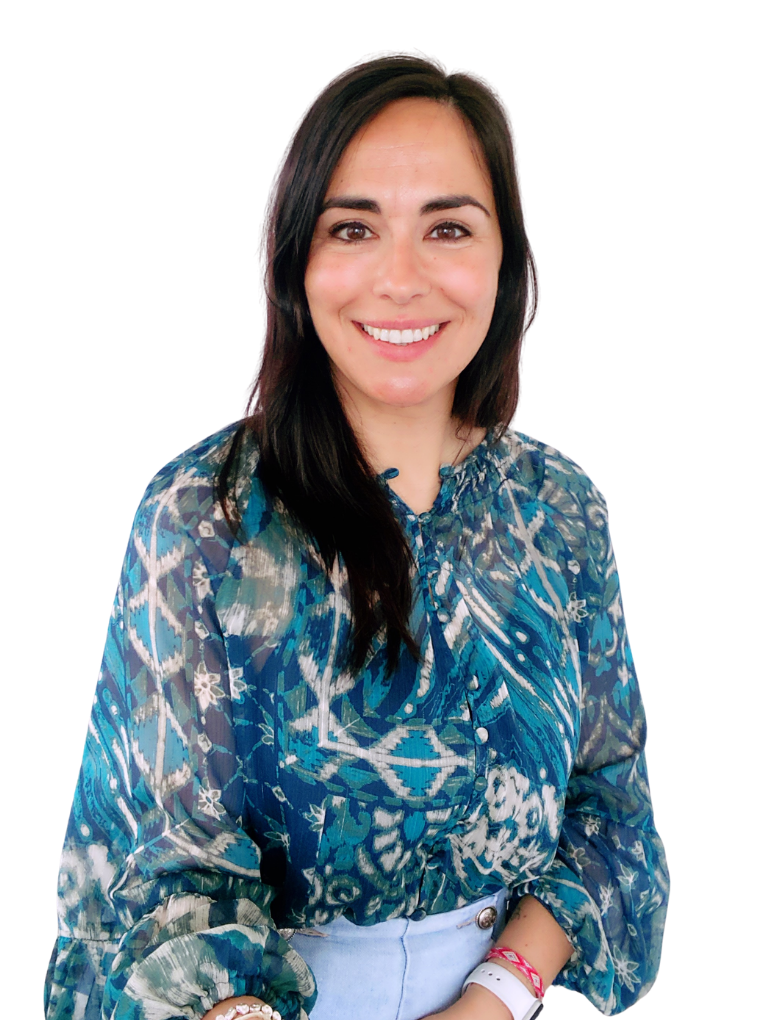
I'm Tania Jauni, a medical psychologist.
I accompany people in processes of personal change from a deep, respectful look and aimed at understanding the origin of what happens to us.
Meetings in English and Spanish
A therapeutic space to understand, reorganize and recover balance with depth, respect and clarity.
I accompany adults, young people, families and adolescents in processes of personal change, helping them to understand what is at the origin of their discomfort and to reorganize what, in their present form, is generating imbalance in their life.
Many people come to consultation with the feeling that they "should be able to do it alone," or with the idea that going to a psychologist means having a serious problem or a label.
However, most people who go to therapy are not sick or broken, but through difficult times that alone have not been able to solve.
People have a lot of domestic remedies that are sometimes blocked or disorganized.
Therapy is a space where you can explore what happens with respect, without judgment, without shame and without guilt, and where you can understand, reorganize and recover balance.
Approach
When a person comes to consultation, it usually does so with a high level of discomfort.
At that time, the first step is to reduce that discomfort and work on the symptoms that are generating suffering.
As we move forward, therapeutic work allows us to understand what is happening at a deeper level.
This process is not only to relieve what is bothering, but also to understand how the person's experience is organized internally and what needs to change to recover its balance.
At the same time, the internal resources and capacities that the person already has are identified and strengthened, including new tools to facilitate the process of change.
My approach integrates both levels of work —symptom and origin—allowing the change not only to be timely, but to be deeper and more stable in time, facilitating a balance recovery as soon as possible and preventing the discomfort from being timed.
Clinical look
Understanding what happens to us requires looking at the human being from different levels.
My way of working integrates a scientific basis —from neurobiology, biochemistry and interaction between nervous system, emotions and immune system— with a deep psychological and clinical look.
To this is added the systemic approach, which allows to understand the person not in isolation, but within his relationships, his history and the context in which he develops.
From this approach, therapeutic work also includes the understanding and regulation of internal thoughts, emotions and responses, as part of a broader system that is organized and can be transformed.
This integration makes it possible to understand more precisely what is happening and to work more deeply on the processes that support it.
Areas of work
The work is aimed at understanding its origin and not just its manifestation.
Moments of change, decision-making, vital blocks or stages in which the person needs to reorganize who he is and where he wants to go.
Situations that have left a deep emotional footprint and continue to influence the way they think, feel or relate.
Profiles with high personal demand in academic, professional or sports contexts, where performance ceases to be functional and begins to generate discomfort.
People with high cognitive and emotional intensity, who often experience internal disadjustments or adaptation difficulties.
Difficulties in family or relational dynamics that impact personal well-being.
About me
My career began in science, with a degree in chemical science and a research stage in Milan. I later worked on molecular genetics in the UK, an experience that consolidated my thinking: understanding complex processes and how small variables can transform complete systems.
Over time I realized that what I really was passionate about was understanding and helping people, so I decided to focus on psychology in a vocational way.
I graduated from Psychology and continued my training in health clinical psychology, sports psychology —participating in European research projects—, coaching and family systemic therapy.
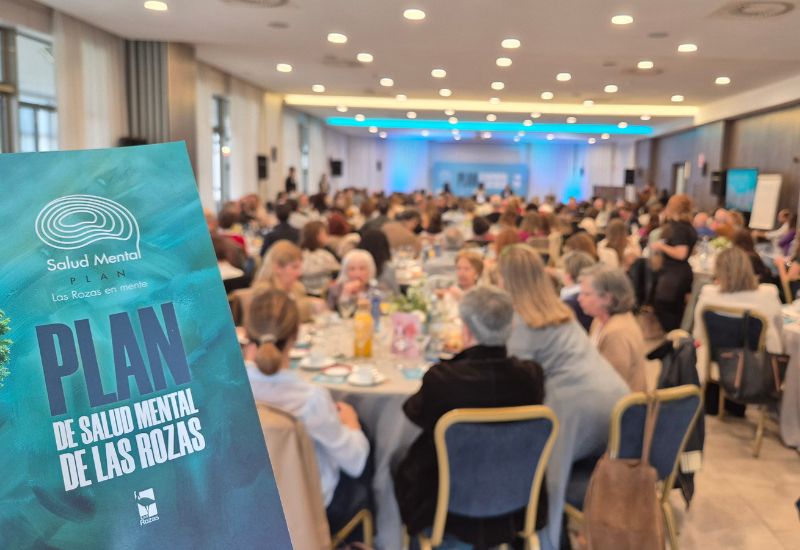
I have worked in the educational and clinical field, with experience in the infanto-youth population, families and high-performance contexts such as sports. I have designed and developed the Mental Health Plan of the City of Las Rozas and have collaborated with the psychological care service at ICAI (Pontifical University of Colillas).
I work from a deep respect for the person and his processes, generating a safe therapeutic space, without judgment, without shame and without guilt.
Because when we reorganize our inner world, our outside world changes.
Conferences
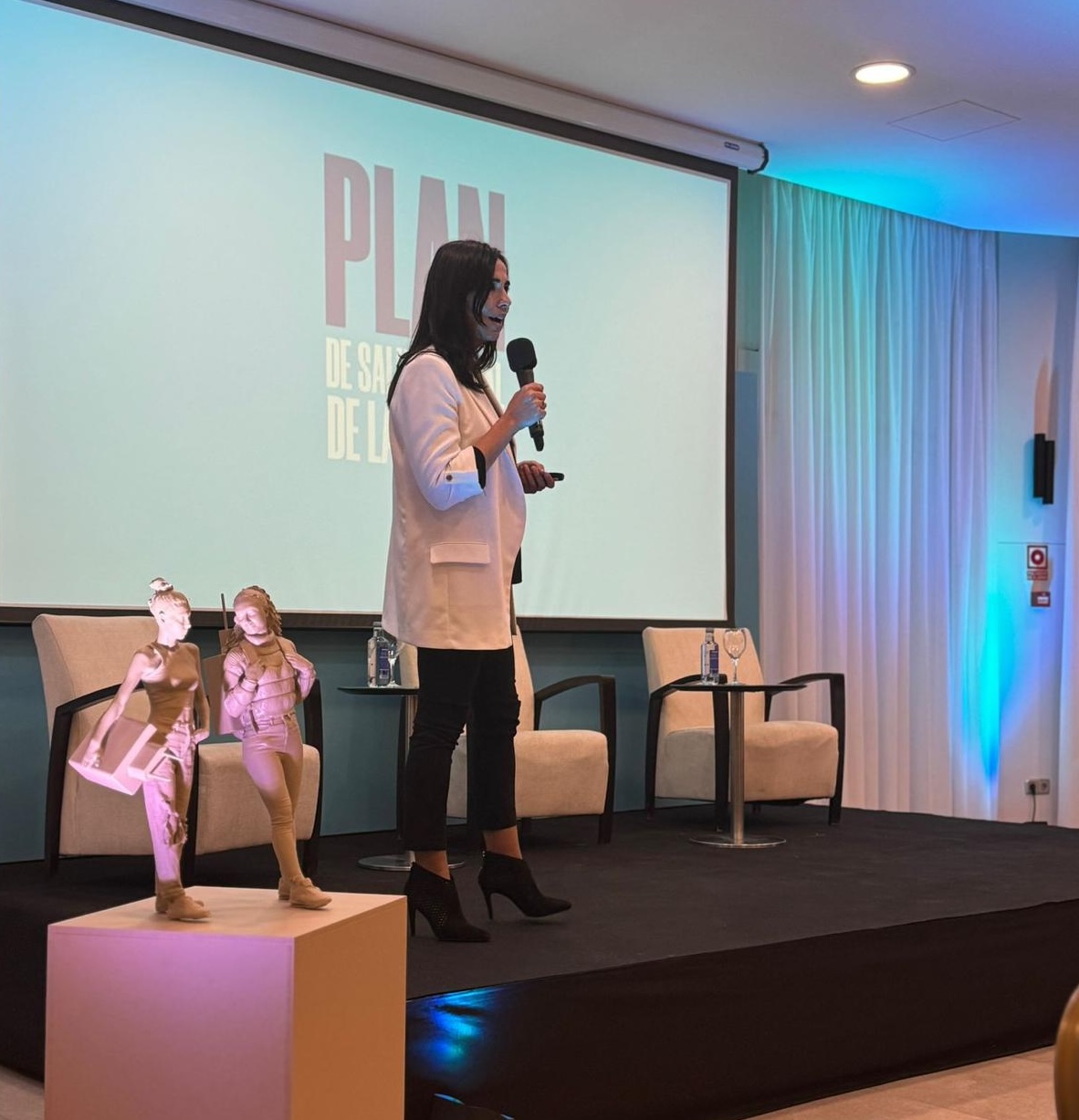
In addition to clinical work, development of training spaces and conferences aimed at understanding how internal processes that influence performance, well-being and decision-making work work.
I work with schools, universities and organizations that accompany people in demand contexts, such as key academic stages or high-performance professional environments.
In these spaces I abort aspects such as identity, perfectionism, self-requirement and the way people relate to themselves under pressure.
My interventions combine psychological rigor, conceptual clarity and practical application, allowing not only to understand what is happening, but to introduce real changes in the way it works.
Frequently asked questions
If you are going through a moment of discomfort, blockage or difficulty that you are not able to solve on your own, therapy can help you. It is not necessary to have a serious problem or a diagnosis for consultation.
No. Most people who go to therapy do not have any psychopathology, but are going through difficult times or need to better understand what happens to them.
Therapeutic work combines two levels: on the one hand, to alleviate current discomfort and on the other, to understand and work on the processes that are generating it, allowing for deeper and more stable changes.
It depends on each person and every process. Some situations can be resolved in a few sessions and others require deeper work. The rhythm always fits the person.
Yes, I work with adolescents, young people, adults and families, adapting the approach to each stage and situation.
I work face to face in Las Rozas and Madrid, and I also offer online sessions.
Yes, I also do sessions in English.
You can contact me for a first session where we will value your situation and how I can help you.
Contact
If you feel the time has come to better understand what's happening to you, you can write me for a first contact.
Present in Las Rozas and Madrid · Online meetings · English and Spanish

